Top Tips for DIY Home Repairs
- dalemillere
- Jul 1, 2025
- 4 min read
Home repairs can seem daunting, but with the right approach, they can be manageable and even enjoyable. Whether you are fixing a leaky faucet, patching up a wall, or tackling a more significant project, having a solid plan can make all the difference. This guide will provide you with essential tips to help you navigate your DIY home repairs with confidence.
Understand Your Project
Before you start any repair, take the time to understand what you are dealing with.
Identify the Problem: Is it a leak, a crack, or something else? Knowing the issue is the first step to fixing it.
Research Solutions: Look for tutorials online or in books. YouTube is a great resource for visual learners.
Assess Your Skills: Be honest about your abilities. Some repairs may require professional help, while others can be tackled with basic tools.
Gather Your Tools
Having the right tools is crucial for any DIY project.
Basic Tools: At a minimum, you should have a hammer, screwdriver set, pliers, and a tape measure.
Specialty Tools: Depending on your project, you may need additional tools like a level, a drill, or a saw.
Safety Gear: Don’t forget safety glasses and gloves. Protecting yourself should always be a priority.
Plan Your Approach
Once you understand the project and have your tools ready, it’s time to plan your approach.
Create a Timeline: Estimate how long the repair will take. This will help you stay on track.
Gather Materials: Make a list of materials you will need. This could include paint, screws, or plumbing supplies.
Prepare Your Space: Clear the area where you will be working. This will make the process smoother and safer.
Start Small
If you are new to DIY repairs, start with smaller projects to build your confidence.
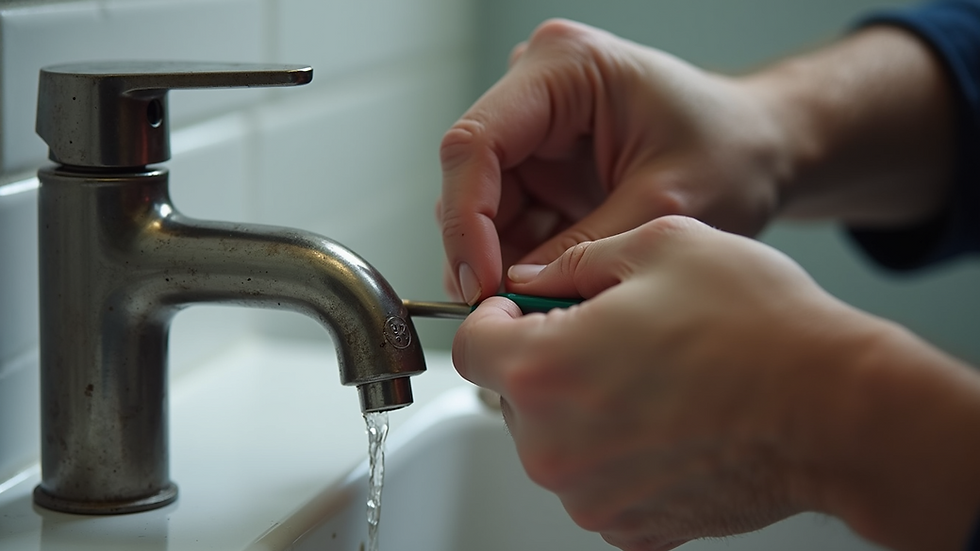
Fix a Leaky Faucet: This is a common issue that can often be fixed with a few simple tools.
Patch a Wall: Small holes can be easily repaired with spackle and a putty knife.
Change a Light Fixture: This is a straightforward task that can brighten up a room.
Starting with small projects will help you gain experience and confidence for larger repairs.
Follow Safety Guidelines
Safety should always come first when doing home repairs.
Turn Off Power and Water: Before starting any electrical or plumbing work, make sure to turn off the power or water supply.
Use Tools Properly: Read the instructions for any tools you are using. Misuse can lead to accidents.
Work in a Well-Lit Area: Good lighting will help you see what you are doing and prevent mistakes.
Take Your Time
Rushing through a repair can lead to mistakes.
Be Patient: Take your time to ensure each step is done correctly.
Double-Check Measurements: Measure twice, cut once. This old saying holds true in DIY repairs.
Don’t Be Afraid to Ask for Help: If you are unsure about something, ask a friend or family member for assistance.
Learn from Mistakes
Mistakes are a part of the learning process.
Reflect on What Went Wrong: If something doesn’t go as planned, take a moment to think about what you could do differently next time.
Seek Feedback: If you have friends or family who are experienced in DIY, ask for their input.
Keep Practicing: The more you work on home repairs, the better you will become.
Know When to Call a Professional
While DIY repairs can save you money, some situations are best left to the experts.
Complex Electrical Work: If you are dealing with wiring, it is safer to hire a licensed electrician.
Major Plumbing Issues: For significant leaks or pipe replacements, a plumber can ensure the job is done correctly.
Structural Repairs: If you are unsure about the integrity of your home, consult a professional.
Stay Organized
Keeping your workspace organized can make a big difference in your efficiency.
Label Your Tools and Materials: This will save you time searching for items.
Clean as You Go: Regularly clean up debris and tools to avoid accidents.
Keep a Repair Journal: Document your projects, including what worked and what didn’t. This can be a valuable resource for future repairs.
Celebrate Your Successes
After completing a repair, take a moment to appreciate your hard work.
Share Your Accomplishments: Show friends and family what you have done. They may be impressed and inspired to tackle their own projects.
Take Before and After Photos: Documenting your work can be rewarding and motivating.
Reward Yourself: Treat yourself to something nice after completing a challenging project.
Conclusion: Embrace the Journey of DIY
DIY home repairs can be a fulfilling journey. With the right mindset, tools, and knowledge, you can tackle a variety of projects around your home. Remember to start small, stay safe, and learn from your experiences. Each repair you complete will build your confidence and skills, making you more prepared for the next challenge. So roll up your sleeves, grab your tools, and enjoy the satisfaction of creating a home that reflects your personal touch.


Comments